

News Center
Mail Box:info@weier-glass.com
Contact phone: 0512-52569644
Address: Changshu City,Hai Yuzhen Fu Shan Xiao Qiaocun(10)white eggs Jing shore NO. 126
Contact phone: 0512-52569644
Address: Changshu City,Hai Yuzhen Fu Shan Xiao Qiaocun(10)white eggs Jing shore NO. 126
Hot Line
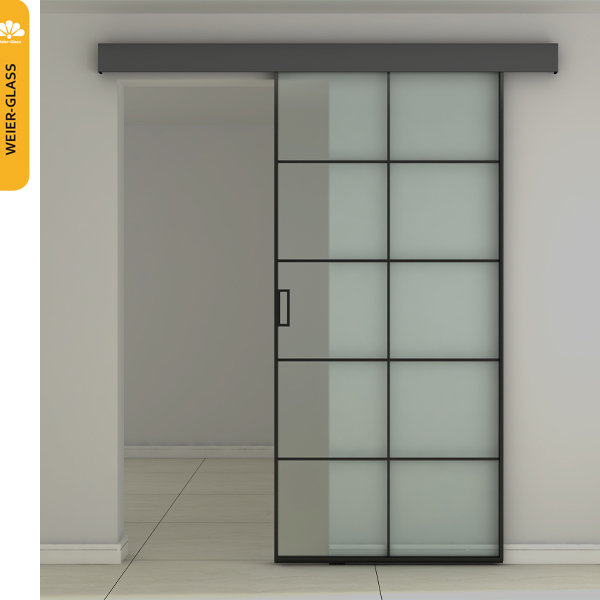
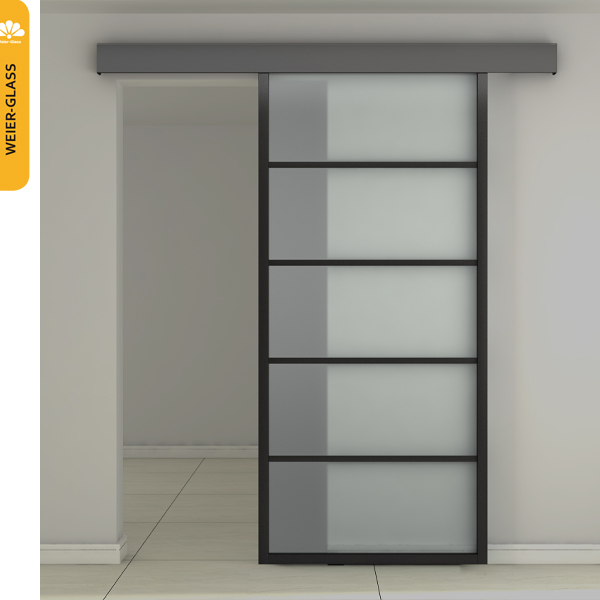
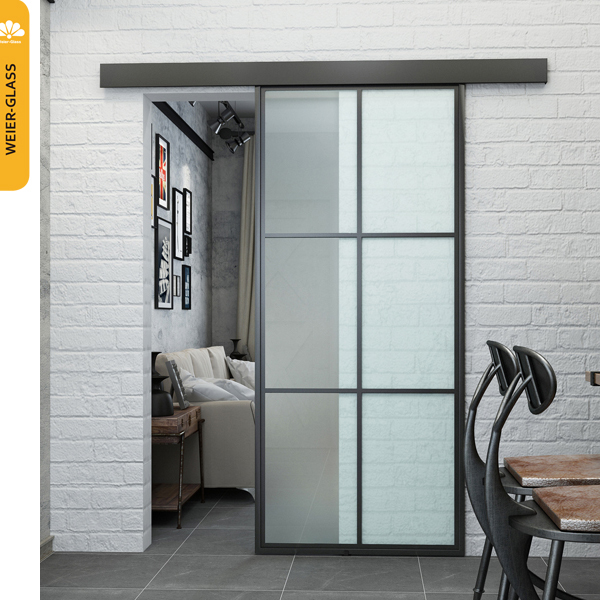
What is the function of a glass sliding door
As a core building material that combines practicality and decoration in both home and commercial spaces, glass sliding doors have the core value of optimizing space utilization, isolating functional zones, improving lighting transparency, and balancing aesthetics and convenience to meet the needs of different scenarios. The following provides a detailed analysis of its core functions from three dimensions: home, commercial, and special spaces, combined with actual usage scenarios:Sources:www.miya2021.com | PublishDate:2025.12.01
1、 Home Space: Dual Empowerment of Practicality and Aesthetics
1. Space partitioning, flexible expansion of usage boundaries
Core function: No need to occupy additional opening and closing space, achieving "separable and combinable" space, and improving the utilization rate of small-sized apartments.
Typical scenario:
Living room and balcony: Glass sliding doors separate the inside and outside of the room, blocking dust, noise, and temperature differences when closed. When opened, they merge into one, expanding the activity space and suitable for switching between drying and leisure scenes;
Kitchen and dining room: Adopting tempered glass sliding doors (optional frosted version) to isolate cooking fumes and open flames, while keeping the space transparent and avoiding the oppressive feeling caused by kitchen closure, suitable for the semi partition needs of open kitchens;
Bedroom and walk-in closet/bathroom: Wardrobe glass sliding doors save wall space occupied by opening doors, making the bedroom layout more compact; The bathroom glass sliding door (Changhong glass/frosted glass) achieves dry wet separation, prevents water accumulation from overflowing, and does not affect the lighting of the bathroom.
Advantages: Compared to swing doors, sliding doors do not require reserved space for door swing, saving 1-2 square meters of usable area, especially suitable for small and narrow spaces.
2. Optimizing lighting to enhance spatial transparency
Core function: Utilizing the transparency of glass, allowing light to freely penetrate through the space, reducing dark corners, and creating a bright and open visual effect.
Typical scenario:
Dark bathroom/dark kitchen: Introducing natural light from adjacent spaces (such as bathrooms and bedrooms, kitchens and living rooms) through glass sliding doors to avoid relying on lighting during the day and save energy consumption;
Passage/foyer: Use glass sliding doors to separate the passage from the room, allowing the passage to receive more light and relieving the oppressive feeling of narrow passages;
Attic/basement: These types of spaces often lack natural lighting, and glass sliding doors can be combined with skylights or light wells to introduce natural light and enhance space comfort.
3. Sound insulation and dust prevention, balancing comfort and cleanliness
Core function: The combination of glass and sealing strip can effectively block noise, dust, and odors, while not affecting spatial permeability.
Typical scenario:
Study/Studio: Glass sliding doors (double-layer insulated glass) block the noise from the living room and bedroom, creating a quiet working and studying environment;
Balcony and Interior: Closing sliding doors can block outdoor dust, pollen, and fallen leaves from entering the interior, reducing cleaning frequency, especially suitable for residential areas facing the street or near green belts;
Children's room: Separate the children's room from the corridor with glass sliding doors, which can observe the child's condition at any time and block external noise, ensuring the quality of children's rest.
4. Decorate and beautify to enhance the spatial style
Core function: The material, texture, and shape of glass sliding doors can echo the decoration style, becoming a highlight of space decoration and enhancing the overall texture.
Style adaptation:
Modern minimalist style: Choose frameless transparent glass sliding doors, paired with minimalist metal frames, to create a simple and atmospheric visual effect;
Light luxury style: using Changhong glass+gold/black metal frame, or laminated glass, to increase the delicacy of the space;
Japanese/wooden style: Choose frosted glass or paper glass sliding doors, paired with wooden frames, to create a warm and transparent Zen atmosphere;
Industrial style: Use black framed transparent glass sliding doors, combined with walls and metal elements, to enhance the tough texture of the space.
2、 Commercial Space: Efficient Adaptation of Functionality and Experience
1. Flexible switching of store display and space
Core function: Balancing product display and spatial opening and closing needs, enhancing the transparency and practicality of the store.
Typical scenario:
Clothing store/accessory store: Glass sliding doors serve as a partition between display windows and the interior of the store, allowing for the display of goods and flexible opening and closing based on customer flow (such as opening and expanding the entrance during peak hours and closing for insulation and dust prevention during low periods);
Caf é/Restaurant: Use glass sliding doors to separate the lobby from private rooms and outdoor terraces, meeting guests' needs for private space while making the overall space more transparent and enhancing the dining experience;
Convenience stores/supermarkets: Glass sliding doors (automatic sensing type) serve as entrances and exits, isolating indoor and outdoor temperature differences, saving air conditioning energy consumption, while not affecting customer efficiency in entering and exiting.
2. Office space zoning, balancing privacy and collaboration
Core function: Separate office areas, balance privacy and team collaboration needs, and improve office efficiency.
Typical scenario:
Open plan office area and conference room: Glass sliding doors (optional atomized glass, transparent when powered on, frosted when powered off) separate the conference room, switch to frosted mode when privacy is needed, maintain transparency in daily life, and make the space more spacious;
Manager's Office/Finance Room: Separated by glass sliding doors (with blinds or frosted glass) to ensure office privacy while not affecting office lighting and avoiding the oppressive feeling of enclosed spaces;
Office area and pantry/lounge: Glass sliding doors block noise and odors from the pantry, while allowing light from the lounge area to blend into the office area, enhancing overall comfort.
3. Public Space: Balancing Safety and Transparency
Core function: In public areas such as airports, high-speed rail stations, and shopping malls, achieve regional isolation, guide pedestrian flow, and ensure spatial transparency and safety.
Typical scenario:
Mall atrium/escalator area: Glass sliding doors serve as fire-resistant partitions (made of fire-resistant glass material), maintaining transparency without affecting aesthetics. They automatically close in case of a fire, blocking the spread of the fire;
Airport/high-speed railway station waiting area: Glass sliding doors separate different waiting areas and VIP lounges, guiding orderly flow of people while ensuring a sense of openness in the space;
Hospital consultation room/ward: Glass sliding doors (frosted glass+antibacterial material) separate the consultation room from the corridor, protecting patient privacy and facilitating medical staff to observe the condition. It is also easy to clean and disinfect.
3、 Special scenario: customized requirements oriented towards functionality
1. Combination of partition and protective functions
Core scenario:
Sunroom/Terrace: Glass sliding doors serve as a partition between the sunroom and the interior, blocking wind, rain, and ultraviolet rays while maintaining the transparency of the terrace, suitable for leisure and planting scenes;
Pool area: Glass sliding doors (waterproof, non slip material) separate the pool from the rest area to prevent moisture from spreading, protect the indoor floor from dryness, and not affect the view of the pool landscape;
Equipment room/storage room: Glass sliding doors separate equipment rooms from living areas, blocking equipment operation noise and allowing observation of equipment status for easy maintenance.
2. Adaptation to accessibility and safety needs
Core scenario:
Elderly housing/accessible space: Glass sliding doors (smooth sliding and threshold free design) facilitate the passage of the elderly and disabled, avoid tripping risks, and maintain space transparency;
Children's activity area: Glass sliding doors (tempered glass+anti-collision strips) separate the children's activity area from other areas to prevent children from being bumped and injured, and to facilitate parents' observation at any time.